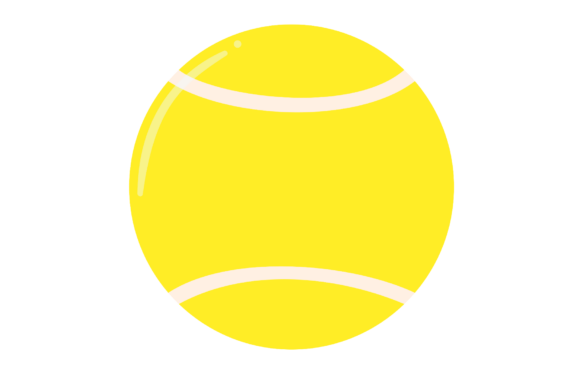
How a Tennis Ball Shapes Design, Branding, and Everyday Problem Solving
You have probably seen it a hundred times without giving it a second thought. That bright yellow sphere with subtle highlights, sitting in a sports bag, rolling across a court, or appearing as a polished 3D render on a landing page. The tennis ball is far more than a piece of equipment. It is a visual shorthand for energy, focus, and precision. Whether you are building a tournament website, designing a player profile, or crafting a sports infographic, that bold yellow ball carries meaning. It signals action, competition, and a certain clean intensity that few other objects can match. But its usefulness does not stop at the baseline. Once you start looking at the tennis ball as a tool, a symbol, and even a practical object, you will notice it shows up in more places than you might expect.
What a Tennis Ball Really Represents
When most people picture a tennis ball, they imagine a fresh can of three neon yellow balls, the satisfying thump of a well-struck serve, or the fssss of the pressurized can opening. But for creators and professionals, the tennis ball stands for something bigger. It represents a system of values: speed, control, and responsiveness. A tennis ball does not drift. It flies exactly where you send it, provided you apply the right technique and intention. That makes it a powerful metaphor for clarity in communication, branding, and even workflow.
In visual design, the tennis ball often appears in contexts that demand attention without being aggressive. Its fluorescent yellow hue sits at the edge of the visible spectrum, making it naturally eye-catching. Designers use it to draw focus to call-to-action buttons, highlight key statistics in infographics, or add a pop of color to a monochrome layout. The subtle highlights on a 3D-rendered tennis ball can add depth and realism to digital environments, making interfaces feel more tactile and engaging.
Tournament and Event Branding
If you have ever organized a local tennis tournament, you know the challenge of making amateur events look professional. A high-quality image or illustration of a tennis ball can anchor the entire visual identity. Put it on banners, scoreboards, social media posts, and player lanyards. The tennis ball provides immediate context. Nobody wonders what sport the event is about. It also conveys a sense of fairness and consistency. A fresh, bright ball suggests the tournament is well prepared and serious about quality. For grassroots events, this kind of visual consistency builds credibility with sponsors and participants alike.
Player Profiles and Sports Journalism
When you write about a player, you need visuals that reinforce their story. A tennis ball can appear in the background of a portrait, subtly linking the athlete to their craft without overwhelming the composition. In digital media, animated tennis balls with motion trails can illustrate shot trajectories, serve speeds, or rally patterns during match analysis. For bloggers covering Grand Slams, a clean tennis ball icon next to match statistics helps readers scan data quickly. It is a small detail, but it creates a professional, cohesive reading experience.
Sports Infographics and Educational Content
Coaches, instructors, and sports educators often rely on infographics to explain technique. The tennis ball becomes a reference point for positioning, timing, and spatial awareness. For example, an infographic showing optimal contact points for forehand and backhand strokes can use a tennis ball graphic to indicate where the racket should meet the ball. In strength and conditioning materials, a tennis ball can demonstrate plyometric drills or hand-eye coordination exercises. The bright yellow color makes it easy to track in diagrams, even when printed in grayscale.
Home Workouts and Rehabilitation
Outside the court, a tennis ball is a surprisingly effective tool for self-massage and mobility work. Many people keep one in their gym bag to roll out tight muscles in the shoulders, glutes, or feet. The firmness strikes a good balance between pressure and comfort. You can use it against a wall to release knots in your upper back, or roll it under your arch to relieve plantar fascia tension. For fitness bloggers and wellness creators, demonstrating these techniques with a real tennis ball adds authenticity to your content. Your audience can replicate the moves with a ball they probably already own.
Product Photography and E-Commerce
If you sell sports equipment, apparel, or accessories, a tennis ball can serve as a scale reference. Shoppers often struggle to judge the size of a racket grip, a water bottle, or a pair of wristbands. Placing a tennis ball next to the product gives an instant, intuitive sense of dimensions. It works better than a ruler because it is relatable. Everyone has seen a tennis ball. In lifestyle shots, a tennis ball can add a splash of color to an otherwise neutral scene. It suggests an active, healthy lifestyle without needing a full gym backdrop.
Digital Interface Design and App Development
Fitness and sports apps use tennis ball motifs to gamify workouts. A progress bar shaped like a tennis ball that fills up as you complete drills turns a mundane task into a visual reward. In coaching apps, a tennis ball icon can represent the current drill or serve as a drag-and-drop element for building practice sessions. The key is to use the tennis ball not just as decoration, but as a functional part of the user interface. When users see a tennis ball, they associate it with energy and progress. That association can drive engagement.
Color Accuracy and Context
Not all yellow is the same. The optic yellow used in official tennis balls is a specific shade, officially known as "tennis ball yellow" or "high-visibility yellow." When you use a tennis ball graphic in print or digital media, make sure your color calibration matches. A greenish tint can make the ball look old or cheap. On screens, be aware that different monitors display yellow differently. If your brand relies on a consistent tennis ball look, create a custom vector asset with locked color values rather than relying on a generic stock photo.
Scale and Proportions
A tennis ball has a diameter of about 6.7 centimeters or 2.63 inches. That specific scale matters when you use it as a visual reference. If you enlarge it too much in a layout, it loses its recognizable proportions. If you shrink it too far, the fuzz texture and highlights become indistinct. For digital use, a tennis ball should be large enough to show the seam lines and the characteristic curvature. Those details are what make it read as a tennis ball rather than a generic yellow circle.
Audience Expectations
Your audience likely has a strong mental image of a tennis ball. They know what a fresh one looks like and what a worn one looks like. If you use a beat-up, scuffed tennis ball in your design, it communicates neglect or low quality. If you use an overly stylized, hyper-realistic ball, it may feel corporate or detached. Match the condition of the tennis ball to the tone of your content. For youth programs and casual play, a slightly softer render works. For professional tournaments and high-end gear, go for crisp, pristine realism.
For Marketers and Small Business Owners
You need a symbol that cuts through noise. The tennis ball is universally recognized and carries positive associations: health, competition, outdoor activity. Using it in your marketing materials can increase recall and emotional connection. A tennis ball in a social media thumbnail tells viewers instantly what your content is about. It reduces cognitive load. When you pair it with a strong headline about improvement or performance, the combination becomes memorable.
For Educators and Coaches
Your job is to communicate complex physical concepts in simple terms. A tennis ball gives you a concrete object to point at. You can talk about spin, bounce angle, compression, and impact force while holding a ball in your hand. The tactile connection helps learners internalize abstract ideas. In video lessons, a tennis ball can be a visual anchor that keeps attention. It is small enough to fit in the frame alongside your face, but bright enough to stay visible.
For Freelancers and Creators
If you produce content about sports, fitness, or design, the tennis ball is a versatile prop. It works in flat lays, video intros, motion graphics, and even as a physical giveaway at events. You can photograph it on different surfaces, pair it with different rackets, or use it as a consistent brand element across your portfolio. A single high-quality tennis ball asset can be used in a dozen different projects without looking repetitive, because its context shifts each time.
Making the Tennis Ball Work for You
The best uses of the tennis ball are the ones where it feels natural, not forced. If you run a tennis blog, include a tennis ball in your header logo but don't overdo it on every page. If you design a mobile app for match tracking, add a subtle tennis ball animation when a user logs a point. If you teach a beginner how to serve, let them hold a real tennis ball and describe its weight and texture. The object itself is simple. The meaning you attach to it is what makes it powerful.
Think about the last time you saw a tennis ball out of context. Maybe it was in a car trunk, on a desk, or in a dog's mouth. Those moments happen because tennis balls are durable, cheap, and easy to find. That accessibility is part of their appeal. You do not need special equipment or a court to benefit from a tennis ball. You just need a reason to pick one up and put it to work. Whether you are designing, teaching, building, or playing, the tennis ball is ready to help you communicate energy, focus, and precision.